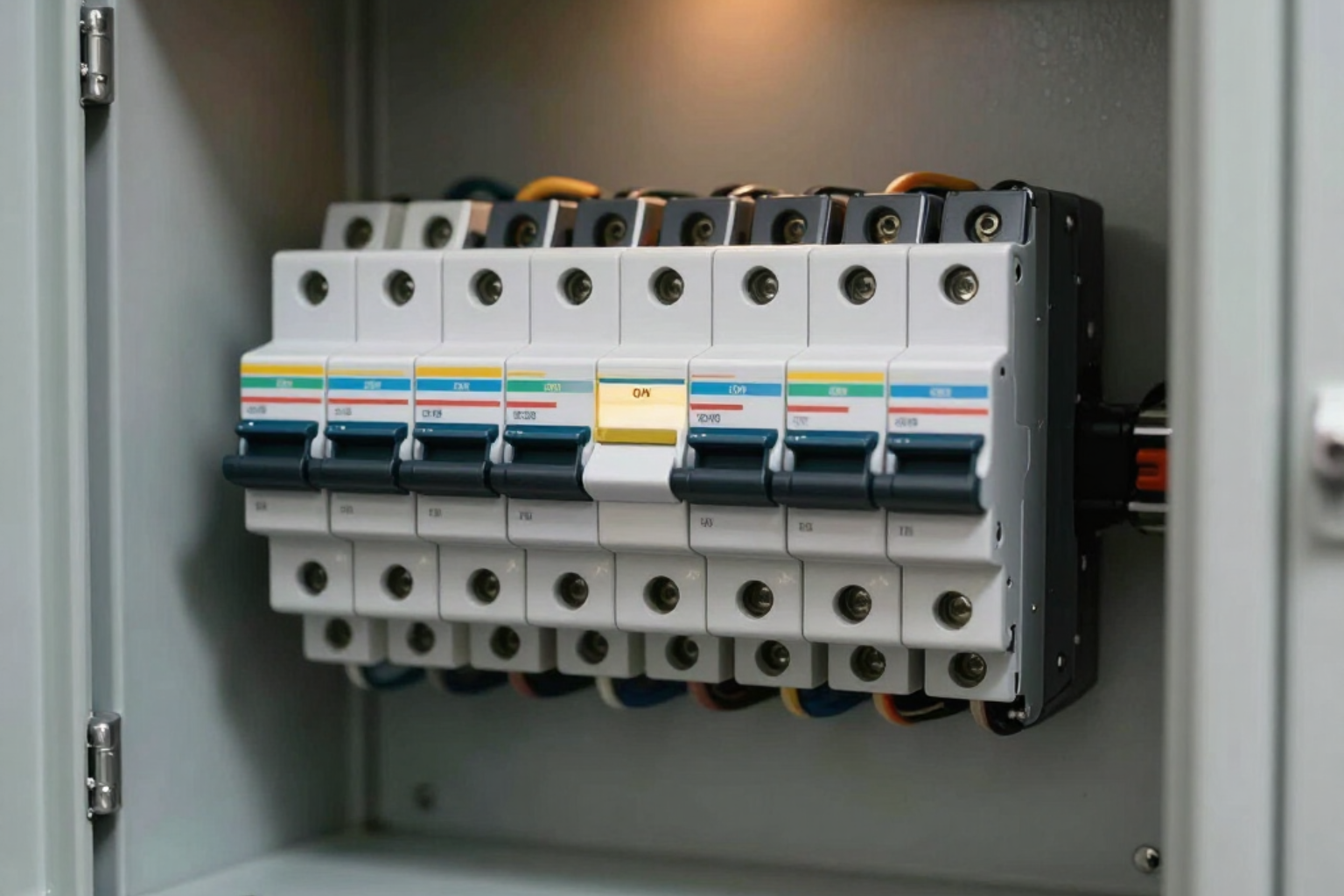
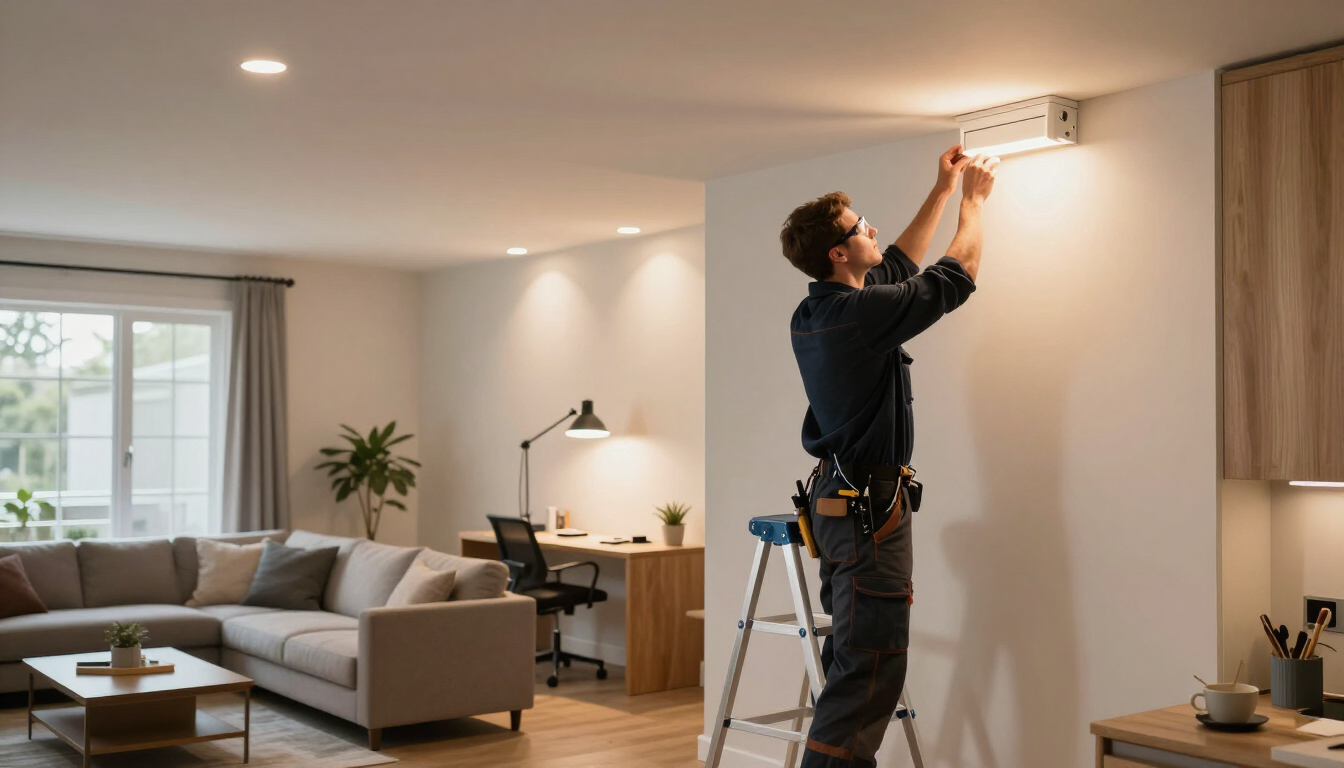
Upgrade your lighting with expert installation in Lafayette, LA. Learn how professional lighting solutions improve safety, efficiency, comfort, and curb appeal.
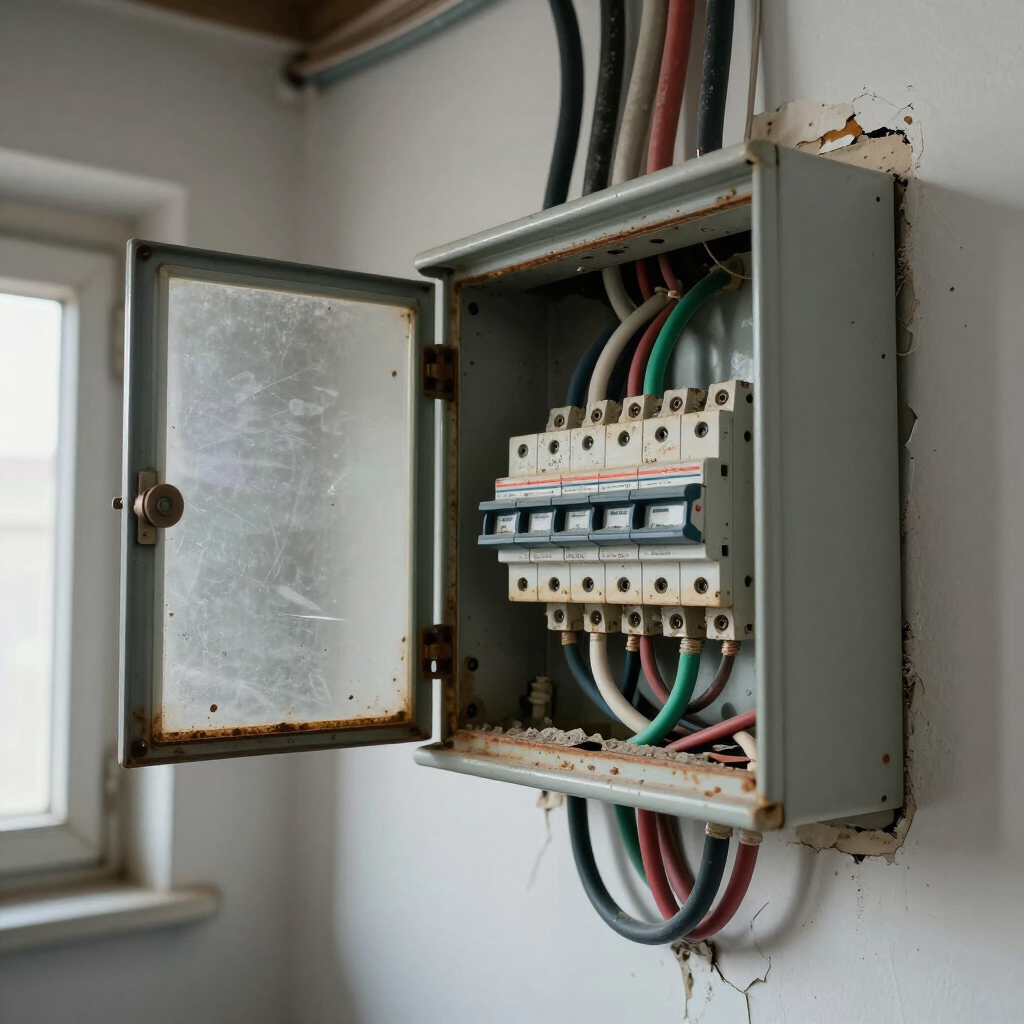
Electrical code violations are more common than many homeowners realize. Older wiring, unpermitted renovations, improper repairs, and outdated safety devices can leave a home with hidden electrical hazards. In Lafayette, LA, aging properties, high humidity, severe weather, and years of additions or remodeling can place additional stress on electrical systems. Understanding the most common violations can help homeowners reduce fire and shock risks, prepare for an inspection, and protect the long-term value of their property. What Are Electrical Codes? Electrical codes establish minimum safety requirements for the installation, repair, and maintenance of electrical systems. These standards address wiring methods, grounding, circuit protection, outlet placement, panels, and other components. Following applicable electrical requirements helps: Reduce the risk of electrical fires Protect occupants from electric shock Prevent overloaded circuits Improve system reliability Support successful property inspections Ensure new work is completed safely A system that does not meet current requirements is not always immediately dangerous. However, damaged equipment, unsafe alterations, and missing protective devices should be evaluated by a licensed electrician. Why Violations Are Common in Lafayette Homes Older Electrical Systems Some homes were built before modern safety devices and electrical practices became common. Their original wiring, panels, and outlets may not be suitable for current power demands. Unpermitted or DIY Work Previous owners may have installed outlets, lights, appliances, or additions without professional guidance. Even when the work appears functional, improper wiring can remain hidden behind walls or inside junction boxes. Weather and Moisture Exposure Humidity, heavy rain, storms, and flooding can affect outdoor equipment, wiring connections, electrical boxes, and other components. Years of Renovations A home may have been expanded or remodeled several times. When electrical improvements are completed in stages, older and newer components may not work together as safely as intended. Common Electrical Code Violations Improper Grounding Grounding gives unwanted electrical current a safer path away from people and equipment. Possible signs of a grounding problem include: Two-prong outlets Repeated shocks from appliances Missing grounding conductors Improperly connected receptacles Older wiring systems without grounding protection Improper grounding can increase the risk of shock and leave appliances or electronics more vulnerable during electrical faults. Missing GFCI Protection Ground Fault Circuit Interrupter outlets are designed to reduce shock hazards by disconnecting power when they detect an imbalance in electrical current. GFCI protection is commonly used in moisture-prone areas such as: Bathrooms Kitchens Garages Laundry areas Outdoor spaces Areas near sinks A standard outlet in one of these locations may need to be evaluated to determine whether proper protection is present elsewhere on the circuit. Missing AFCI Protection Arc Fault Circuit Interrupters are designed to detect certain types of dangerous electrical arcing that standard breakers may not recognize. Older homes may not have AFCI protection in living spaces, bedrooms, and other areas where it is now commonly required for new or modified work. A licensed electrician can determine where AFCI protection may be appropriate based on the home and the work being performed. Overloaded Circuits An overloaded circuit carries more electrical demand than it was designed to handle. Warning signs may include: Frequent breaker trips Flickering lights Warm outlets Heavy reliance on power strips Multiple high-demand appliances on one circuit Adding dedicated circuits may be necessary for equipment such as air conditioners, microwaves, dryers, generators, and electric vehicle chargers. Unsafe Wiring Connections Electrical splices and connections should be secure, properly enclosed, and protected from damage. Common problems include: Exposed wire splices Connections outside approved boxes Missing junction box covers Loose terminals Damaged insulation Incorrect wire sizes Poor connections can create resistance, overheating, electrical arcing, and fire hazards. Outdated or Damaged Electrical Panels An older panel is not automatically unsafe, but age, condition, capacity, and installation quality all matter. Warning signs include: Rust or corrosion Burning odors Buzzing sounds Heat around the panel Repeated breaker trips Missing panel covers Improper breaker installation Limited room for additional circuits A professional panel evaluation can determine whether repairs, new breakers, or a complete upgrade are appropriate. Improper Extension Cord Use Extension cords are designed for temporary use. They should not replace permanent wiring. Unsafe practices include: Running cords through walls or ceilings Hiding cords beneath rugs Connecting multiple power strips together Using indoor cords outside Operating high-demand appliances through lightweight cords When a room lacks enough outlets, installing additional receptacles is generally safer than relying on permanent extension cords. How Violations Can Affect Your Property Electrical violations may create problems beyond day-to-day inconvenience. They can contribute to: Fire and shock hazards Failed home inspections Delayed real estate transactions Insurance concerns Equipment damage Unexpected electrical repairs Reduced buyer confidence Addressing known problems before selling, renovating, or installing new equipment can help prevent delays and larger complications. How Electrical Violations Are Corrected The first step is a professional inspection. An electrician can evaluate the affected area, test the system, and identify work that may not meet applicable requirements. Corrections may include: Replacing damaged wiring Installing GFCI or AFCI protection Adding proper grounding Repairing unsafe connections Installing junction boxes and covers Replacing outdated outlets Adding dedicated circuits Repairing or upgrading the electrical panel Correcting previous unpermitted work The recommended solution depends on the condition of the system and the scope of the violation. Why DIY Electrical Repairs Can Create More Problems Electrical work requires knowledge of wiring methods, circuit sizing, grounding, protective devices, permits, and inspection requirements. Improper repairs can result in: Hidden fire hazards Electric shock Damaged equipment Repeated breaker trips Failed inspections More extensive repairs later A licensed electrician can complete the work safely and explain which improvements are necessary. How to Prevent Future Code Problems Homeowners can reduce future concerns by: Hiring licensed electricians Scheduling inspections in older homes Obtaining required permits Avoiding overloaded outlets and circuits Replacing damaged electrical components promptly Planning renovations before work begins Keeping outdoor equipment protected from moisture Documenting completed electrical upgrades Preventive maintenance is especially valuable when purchasing an older property or planning a major renovation. Why Choose Richoux Electric? Richoux Electric has served Lafayette and surrounding communities since 1946. The company provides residential, commercial, and industrial electrical services backed by decades of local experience. Services include: Electrical inspections Code corrections Electrical repairs Panel upgrades Electrical rewiring Outlet and switch installation Troubleshooting Emergency electrical service Explore Professional Electrical Services Discover how Richoux Electric helps Lafayette homeowners identify electrical hazards, correct unsafe wiring, update aging systems, and improve overall electrical reliability. Learn More About Our Electrical Services Frequently Asked Questions How do I know whether my home has electrical violations? A professional inspection is the most reliable way to identify improper wiring, missing safety devices, grounding problems, and outdated equipment. Are all violations immediate emergencies? No. Some issues require planned correction, while conditions involving smoke, sparks, burning odors, exposed wires, or overheating require immediate attention. Should violations be corrected before selling a home? Known electrical issues may affect inspections, negotiations, insurance, and buyer confidence. Correcting them early can help simplify the selling process. Does every older home need a complete electrical upgrade? No. Some homes only require targeted repairs or safety improvements. An electrician can recommend the appropriate scope of work. Can code-related repairs be completed in one visit? Minor corrections may be completed quickly. Larger wiring, panel, or grounding issues may require permits, additional materials, and more extensive work. Keep Your Lafayette Home Safe and Up to Date Electrical violations are more than technical details. Unsafe wiring, missing protection, and damaged equipment can place your property and household at risk. Richoux Electric provides professional electrical inspections, code corrections, repairs, and upgrades throughout Lafayette, LA, and surrounding communities. Call (337) 781-2502 today to schedule an electrical inspection. Email: rres57@gmail.com Service Areas: Lafayette, LA, and surrounding communities Business Hours: Available 24 hours a day, seven days a week Contact Richoux Electric to identify potential electrical hazards and make sure your system is safe, reliable, and prepared for modern power demands.
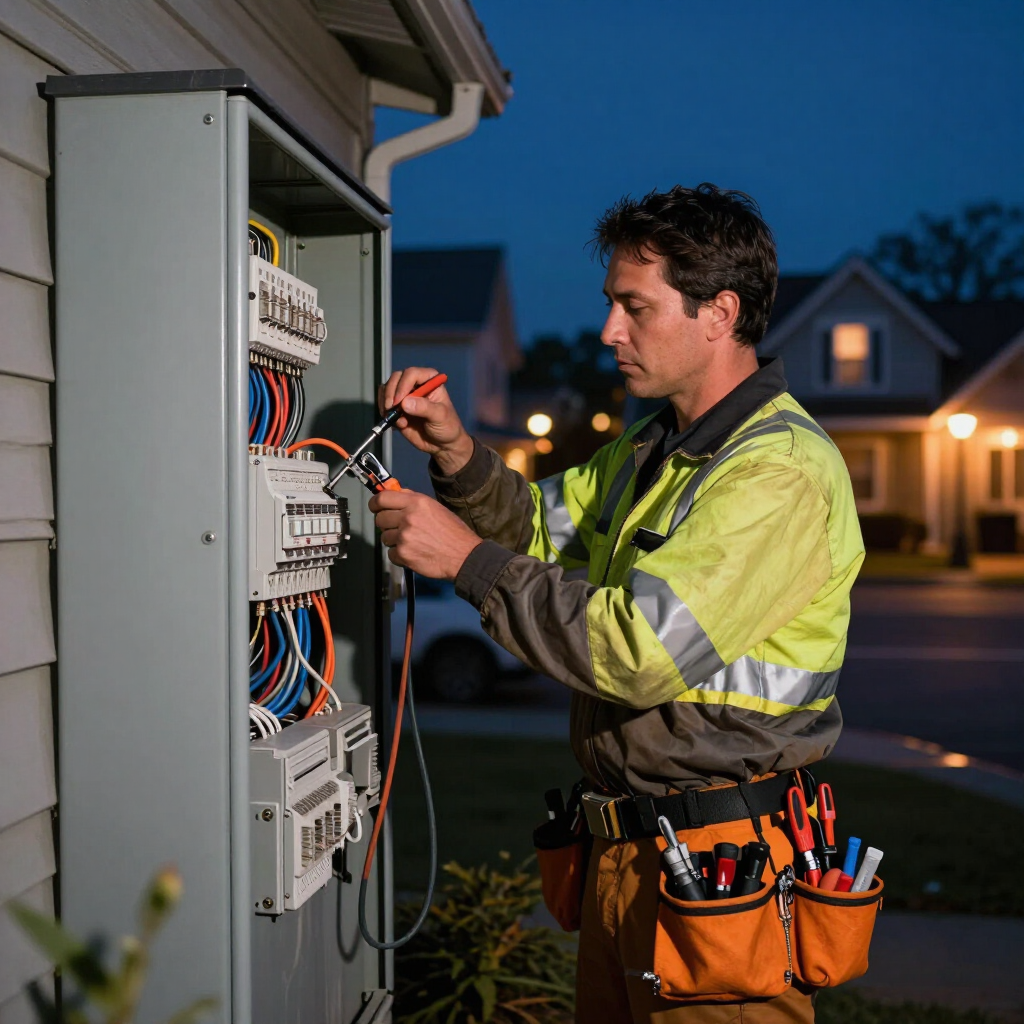
Learn why 24/7 electrical services in Lafayette, LA are essential for urgent repairs, storm damage, power loss, electrical safety, and peace of mind.